Soil conditioners: the key to healthy and fertile soil
Soil is one of the most precious and essential natural resources on our planet. Its importance cannot be overstated, as our entire food chain and ecosystems depend on it. It is also an important CO2 sink. The processes that take place in the soil have a major impact on our existence and on the environment as a whole.
One of the key ways to achieve healthy soil is through soil conditioners. In this article, we’ll look at what soil conditioners are, how they differ from fertilizers, and why using organic products is beneficial for agriculture and the environment.
What’s happening in the soil?
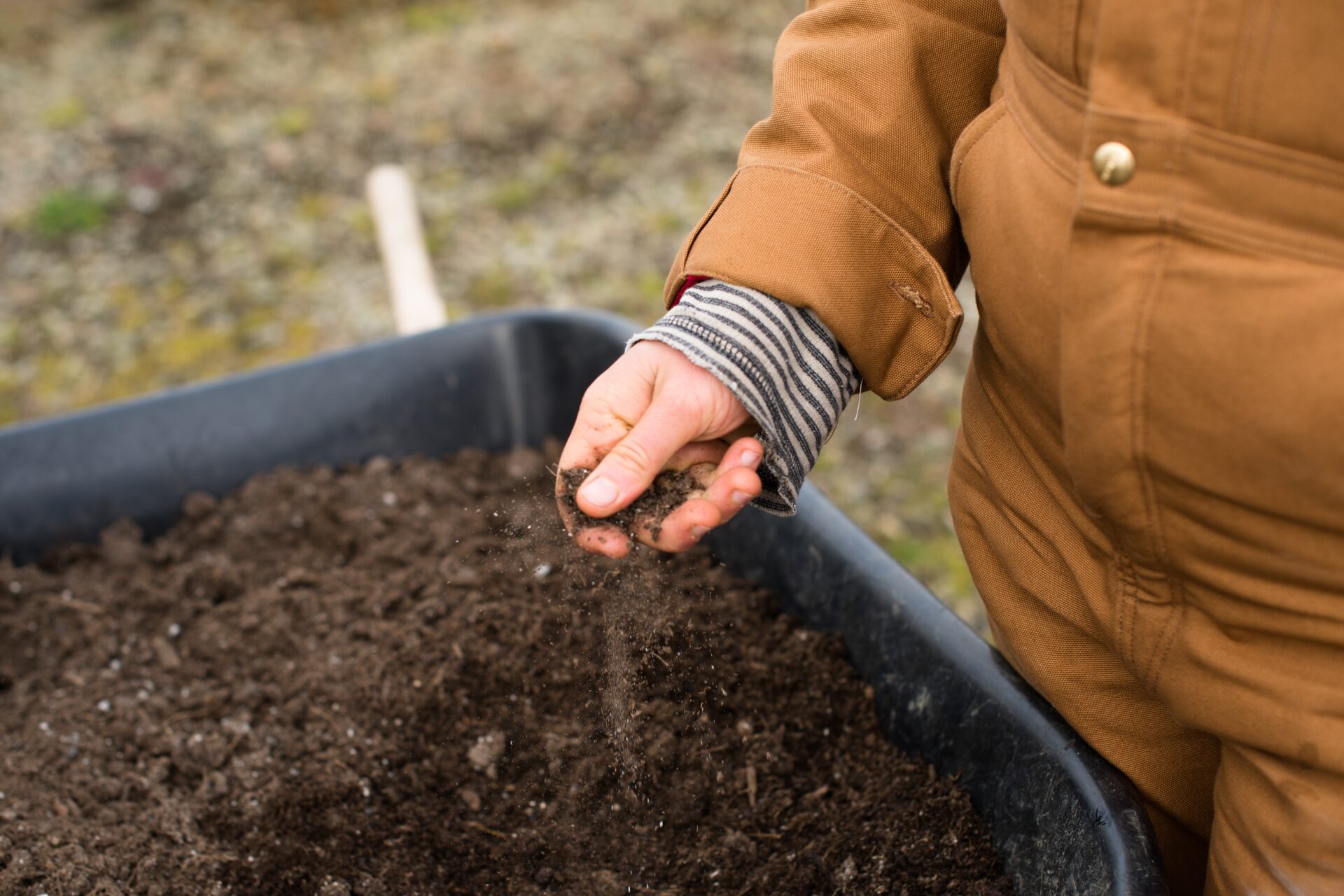
Soil is the place where important biological, chemical and physical processes take place. Biologically, soil is home to many microorganisms, bacteria, fungi and living organisms that break down organic matter, recycle nutrients and maintain the soil ecosystem. Chemically, nutrients are exchanged between soil and plants, which is essential for plant growth and development. Physical processes such as water retention affect the availability of moisture to plants and limit soil erosion.
Overall, soil is a key element for sustainable agriculture, biodiversity, maintaining water quality and mitigating the impacts of climate change. It is the fundamental environment that binds us all together and on which our future generations depend. It is therefore essential to protect and properly manage this valuable resource.
What are soil conditioners?
Soil conditioners are substances or materials that are added to the soil to improve its physical, chemical and biological properties and to jump-start natural soil processes in areas where the organic component of the soil has been depleted. The main objective of using soil conditioners is to increase the quality of the soil and improve its ability to retain moisture, nutrients and support plant growth.
Soil conditioners can be organic or inorganic. Organic ones include compost, humus, straw, peat, biochar or wood shavings. Inorganic conditioners may include lime, clay, perlite or vermiculite. These may be enriched with a live component of soil bacteria and spores of mycorrhizal fungi.
The difference between soil conditioner and fertiliser
Fertilisers and soil conditioners are two different categories of products used in agriculture, although they have a similar objective – to increase plant yields. The differences between them lie in their effects and composition.
- Fertilizers: Fertilizers are often rich in nutrients such as nitrogen, phosphorus and potassium (referred to as NPK fertilizers). These substances are essential for plant growth and increase plant yields. Fertilisers are usually applied to supply plants with the nutrients they need to produce fruit, but do not have a significant long-term effect on soil structure or its ability to retain moisture. When the plant depletes the nutrients, they need to be replenished.
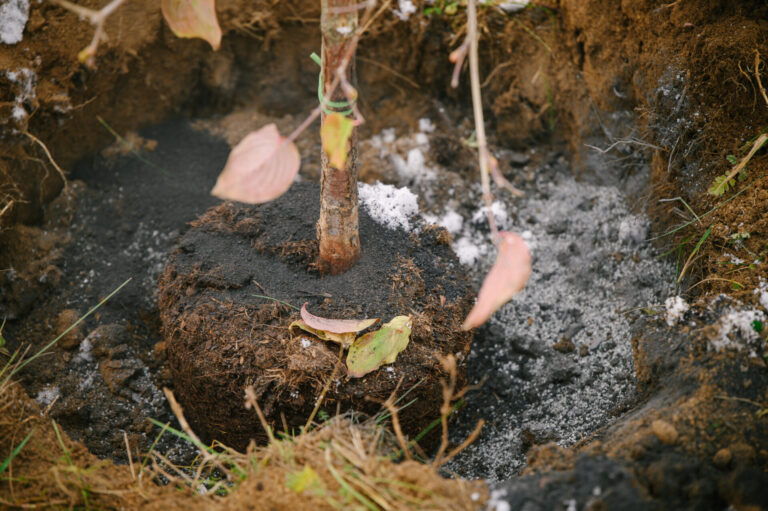
- Soil conditioners: soil conditioners aim to improve the soil itself. They help to increase its ability to retain moisture, improve drainage, increase its organic content and promote microbial activity.All this contributes to better plant growth. Soil conditioners have a more lasting effect in the soil than fertilizers.
Why use organic soil conditioners instead of NPK fertilizers and chemicals?
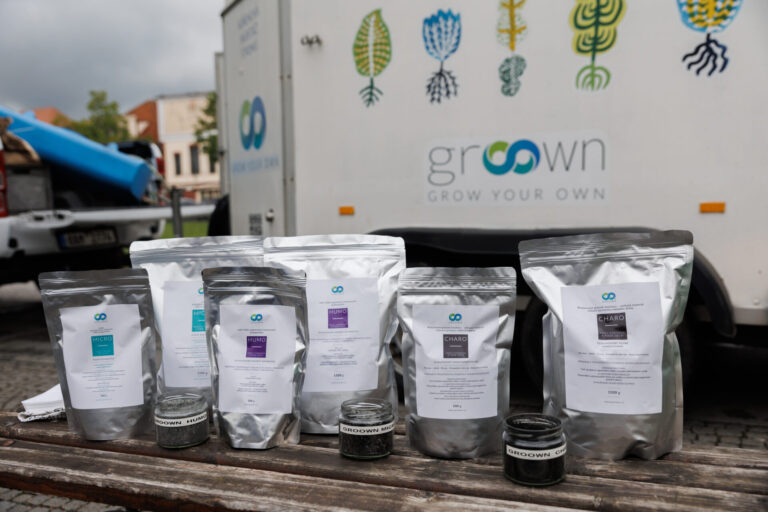
- Improving soil structure: organic soil conditioners such as Groown MICRO and Groown CHARO improve soil structure, which means the soil will be more permeable and able to retain moisture. This is essential for improving yields and reducing the need for irrigation.
- Promoting microbial activity: organic materials provide food for micro-organisms in the soil, which promotes biological activity. This is key to recycling nutrients and keeping the soil ecosystem healthy. Mycorrhizal symbiosis also helps plants to use available nutrients more efficiently.
- Environmental protection: Using organic soil conditioners instead of chemical products can reduce negative environmental impacts such as water pollution and soil erosion. Organic products are more environmentally friendly and contribute to long-term sustainable agriculture.
Overall, soil conditioners are an indispensable tool for maintaining healthy and fertile soil. Organic variants of these conditioners have the added advantage of being more environmentally friendly and contributing to the sustainability of agriculture. The use of these products is therefore a logical step towards a more sustainable and healthier agriculture.
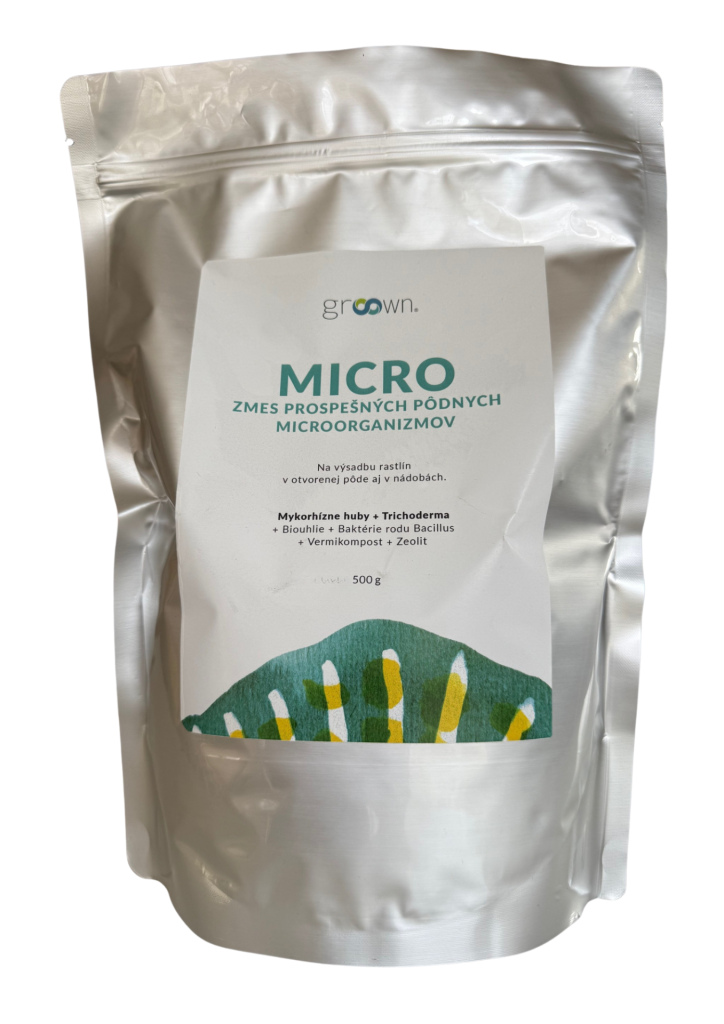
Try the organic soil conditioner GROOWN MICRO
GROOWN MICRO Soil Conditioner contains a total of 6 beneficial soil microorganisms that will revive the soil in the long term, vermicompost, zeolite and biochar to help retain water more effectively.